Creating a productive home office environment is key to maintaining focus and efficiency, especially as more people embrace remote work. Whether you are starting fresh or looking to improve your current space, small adjustments can make a big difference. This guide offers practical tips to help you build a comfortable, organized, and motivating workspace at home.
Choose the Right Location
Find a Quiet Spot
Select a space in your home that is as quiet and free from distractions as possible. It doesn’t need to be a dedicated room, but it should be a place where you can concentrate without frequent interruptions.
Consider Natural Light
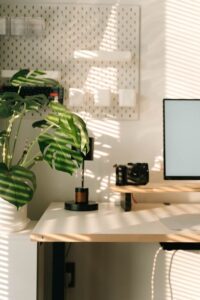
Position your desk near a window if possible. Natural light helps reduce eye strain and boosts mood and energy levels. If natural light is limited, invest in good quality lighting that mimics daylight.
Invest in Comfortable Furniture
Ergonomic Chair and Desk
Comfort plays a huge role in productivity. Choose an adjustable chair that supports your back and encourages good posture. Pair it with a desk at the right height to avoid strain on your wrists and shoulders.
Desk Space and Storage
Ensure your desk has enough surface area to hold your computer, tools, and notes comfortably. Use shelves, filing cabinets, or drawers to keep documents and supplies organized and out of the way.
Organize Your Workspace
Declutter Regularly
A clean, neat workspace reduces stress and distractions. Take a few minutes at the end of each day to tidy up, filing away papers and putting tools back in their places.
Use Organizational Tools
Consider desk organizers, cable management clips, and storage bins. Label files and folders for easy access. A well-organized setup saves time and keeps your mind focused.
Set Up Technology Thoughtfully
Reliable Internet and Equipment
Make sure your internet connection is stable and fast enough for video calls or large file transfers. Use monitors or laptops that suit your work demands. Invest in quality headphones and microphones for clear communication.
Manage Cables and Devices
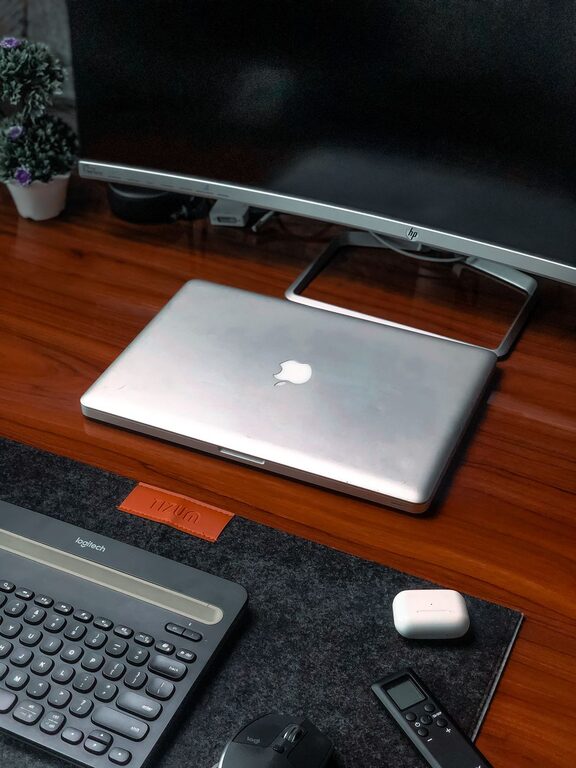
Keep cables untangled and secured with clips or ties. Limit the number of devices on your desk to essentials to avoid clutter.
Create Boundaries for Work and Rest
Define Your Work Hours
Set and stick to regular working hours. This structure helps maintain work-life balance and signals to others when you’re not to be disturbed.
Separate Work from Home Life
If possible, leave your work devices and materials in your office area after hours. Physically closing the door or packing up at the end of the day helps your brain switch off.
Personalize Your Space
Add Elements That Inspire You
Incorporate artwork, plants, or photos that make the space inviting and boost your mood. Greenery can improve air quality and provide a calming effect.
Use Colors Wisely
Choose colors that promote concentration and creativity, such as soft blues, greens, or neutral tones. Avoid overly bright or distracting colors.
Prioritize Healthy Habits
Take Regular Breaks
Stand, stretch, or take short walks to reduce fatigue and improve circulation. Use techniques like the Pomodoro method to work in focused bursts with scheduled rests.
Keep Water and Snacks Handy
Staying hydrated and nourished supports sustained focus. Keep a water bottle nearby and have healthy snacks available to avoid dips in energy.
Reduce Distractions
Limit Noise Interruptions
Use noise-canceling headphones or white noise machines if external sounds are distracting.
Manage Notifications
Turn off non-essential notifications on your computer and phone during work hours. Use apps or settings that help block distractions.
Final Thoughts
Designing a productive home office is about creating a space that supports your work style and personal well-being. By focusing on comfort, organization, proper technology, and boundaries, you can build an environment that helps you stay focused and motivated every day. Experiment with these tips to find what works best for you and enjoy the benefits of a well-designed home office.