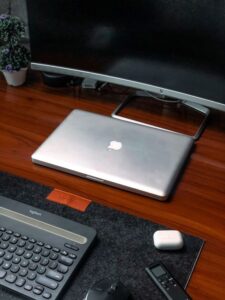

Creating an organized, clutter-free workspace at home can make a big difference in your productivity and overall well-being. Whether you work remotely, study, or manage personal projects, having a neat environment helps you focus and feel calm. If your workspace tends to get messy or overwhelming, don’t worry! This post offers simple, practical tips to help you organize your home workspace effectively.
Why Organizing Your Workspace Matters
A cluttered workspace can distract you, reduce motivation, and even affect your mood. Having a clean, organized space encourages better work habits and can improve your efficiency. It also makes it easier to find what you need quickly, saving you time and frustration.
Step 1: Clear Everything Out
Before organizing, start fresh by clearing everything off your desk and work area.
– Remove all items from your desk, shelves, and drawers.
– Sort items into categories: keep, toss, donate, or relocate.
– Clean the surfaces thoroughly before putting anything back.
This blank slate approach helps you see exactly what you have and what you truly need at your workspace.
Step 2: Keep Only Essentials Within Reach
Limit your workspace to the items you use regularly. This keeps your desk uncluttered and focused.
– Essentials might include your computer, notebook, pens, and a calendar.
– Store less-used items nearby but off the main desk surface.
– Consider digital alternatives for items like calendars or to-do lists to reduce paper clutter.
Step 3: Use Storage Solutions Wisely
Good storage can be a game changer for keeping clutter at bay.
– Use drawer organizers or trays for small items like paperclips, sticky notes, or charging cables.
– Invest in shelves or wall organizers to store books, supplies, or files vertically.
– Clear containers or labeled bins help you see what’s inside and keep similar items grouped.
Step 4: Establish a Paper Management System
Paper clutter is a common challenge. Having a system ensures you don’t get buried in stacks of paper.
– Sort incoming papers immediately into piles: action needed, to file, or to recycle.
– Use a filing cabinet, file boxes, or binders to store papers you must keep.
– Digitize documents when possible by scanning and storing them on your computer or cloud storage.
Step 5: Maintain Daily Tidiness Habits
Organizing is not a one-time task. Daily habits can keep your workspace neat consistently.
– Spend 5 minutes at the end of each day tidying up your desk.
– Return items to their designated spots after use.
– Quickly clear any trash or empty cups to avoid accumulation.
Additional Tips for a Comfortable Workspace
Along with organization, your workspace should be comfortable and inviting.
– Ensure your chair and desk support good posture.
– Use adequate lighting, preferably natural light or a desk lamp.
– Add a plant or small decor item to personalize your space without overcrowding.
Benefits of a Clutter-Free Workspace
When your workspace is organized, you may notice:
– Increased concentration and productivity.
– Reduced stress and mental fatigue.
– Better time management since you can find things quickly.
– More enjoyment and satisfaction while working.
Final Thoughts
Organizing your home workspace doesn’t have to be overwhelming. Start with small changes and develop a routine that works for you. With these simple tips, you can create a clutter-free environment that supports your best work every day.
Remember, a tidy workspace is one step closer to a clear mind!