Creating a workspace at home that is both cozy and functional can make a big difference in how you work and feel throughout the day. Whether you’re working remotely, freelancing, or tackling personal projects, a thoughtfully designed home office helps improve focus and reduces stress. In this post, we’ll explore practical tips to build an inviting space where you can stay productive while enjoying comfort and style.
Why Your Home Workspace Matters
The right workspace can influence your efficiency, creativity, and overall wellbeing. A cluttered or uncomfortable desk can lead to distractions, fatigue, and even physical discomfort. On the other hand, a space tailored to your needs and preferences encourages motivation and allows you to settle into a productive rhythm.
Choosing the Perfect Location
Find a Quiet Spot
Look for a space in your home with minimal noise and few distractions. A quiet corner or a spare room can work well. If you share your home with others, consider places where you’ll be least interrupted during your work hours.
Maximize Natural Light
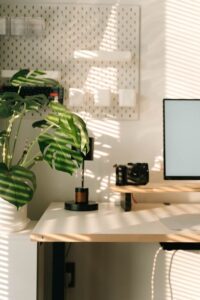
Natural light has numerous benefits, including improved mood and alertness. Position your desk near a window to enjoy daylight without glare on your computer screen. If natural light is limited, choose warm, bright artificial lighting.
Prioritize Comfort and Ergonomics
Invest in a Quality Chair
A comfortable chair with good lumbar support reduces the risk of back pain. Adjustable chairs allow you to customize the height and angle for your body, promoting better posture during long work sessions.
Choose the Right Desk
Select a desk that suits your working style and available space. If possible, consider adjustable desks that allow you to switch between sitting and standing—a great way to stay active and reduce fatigue.
Pay Attention to Screen Placement
Keep your monitor at eye level and about an arm’s length away. This position helps reduce neck strain and eye fatigue.
Organize for Efficiency
Declutter Regularly
A tidy workspace can improve focus. Keep only daily essentials on your desk, and store other items in drawers or shelves. Regularly declutter to avoid buildup.
Use Storage Solutions
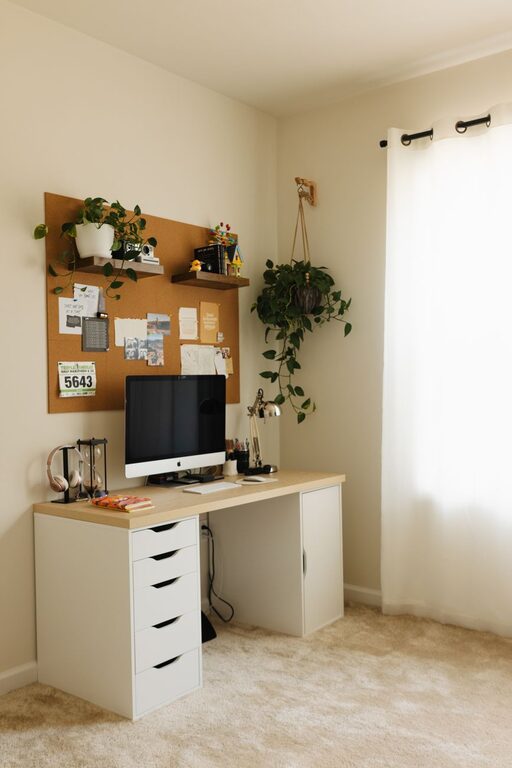
Incorporate shelves, bins, or drawer organizers to keep supplies in order. Label containers for easy access to papers, pens, and chargers.
Cable Management
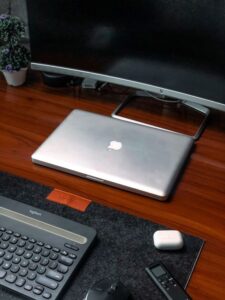
Messy cords can be distracting. Use cable clips, sleeves, or ties to keep wires neat and out of the way.
Personalize Your Space
Add Comforting Textiles
Soft rugs, cushions, or a cozy throw can make your workspace inviting. These additions bring warmth and texture without overcrowding the area.
Bring in Greenery
Plants not only improve air quality but also add life to your desk. Choose easy-to-care-for varieties like succulents, snake plants, or pothos.
Decorate Thoughtfully
Incorporate artwork, photos, or inspirational quotes that motivate you. Be careful not to overdo it—too many decorations can distract rather than inspire.
Lighting Tips for Extended Work Hours
Layer Your Lighting
Use a combination of ambient, task, and accent lighting. Desk lamps with adjustable brightness help you focus on specific tasks while reducing eye strain.
Avoid Harsh Overhead Lights
Glare and shadows can cause discomfort. Soft, diffused lighting is preferable for a soothing work environment.
Maintain Work-Life Balance in Your Space
Define Boundaries
If possible, keep your workspace separate from personal areas. This physical boundary helps mentally distinguish work time from relaxation.
Keep it Flexible
Choose furniture and arrangements that allow easy transformation of the space. This flexibility helps you switch moods and activities smoothly.
Technology Setup for Seamless Work
Reliable Internet and Equipment
Ensure your internet connection is stable and all devices you need are accessible. Consider adding a second monitor if your work involves multitasking.
Minimize Distractions
Use noise-canceling headphones or white noise apps if your environment is noisy. Organize software tools and notifications to reduce interruptions.
Final Thoughts
Designing a home workspace that balances coziness and functionality doesn’t have to be complicated or expensive. Focus on comfort, good organization, and personalization to create an environment where you can thrive professionally and feel at ease. By making small improvements over time, your workspace can become a place you genuinely enjoy spending time in every day.