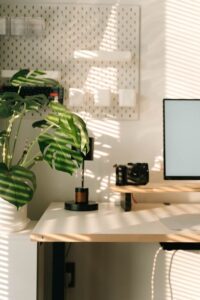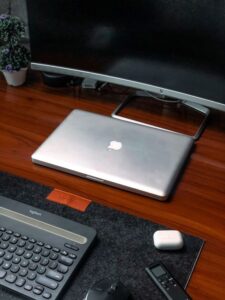
Creating a relaxing home workspace is essential for maintaining focus and productivity, especially when many people spend significant time working from home. A well-designed, calming environment can reduce stress and help you feel more comfortable throughout your day. Whether you have a dedicated room or a small corner, these tips will help you transform your workspace into a peaceful and inviting place to work.
Why a Relaxing Workspace Matters
Your workspace directly influences your mood, efficiency, and overall well-being. A cluttered, noisy, or uncomfortable area can make it difficult to concentrate, leading to frustration and decreased output. On the other hand, a tidy, calming environment encourages creativity and helps you stay energized.
Choose the Right Location
Selecting the right spot for your home workspace is the foundation of a relaxing setup.
– Natural Light: Whenever possible, position your desk near a window. Natural light improves mood and reduces eye strain.
– Quiet Area: Choose a location away from high-traffic rooms where noise and distractions are minimal.
– Space Considerations: Make sure you have enough space for your computer, supplies, and some personal touches without feeling cramped.
Declutter and Organize
A clean, organized space has an immediate calming effect.
– Minimalism Helps: Keep only what you really need on your desk.
– Storage Solutions: Use shelves, drawers, or baskets to keep supplies and paperwork out of sight.
– Daily Tidy-Up: Spend a few minutes at the end of each day tidying your space to maintain order.
Invest in Comfortable Furniture
Comfort plays a crucial role in creating a relaxing workspace.
– Ergonomic Chair: Choose a chair that supports your posture and allows you to sit comfortably for hours.
– Desk Height: Your desk should be at a height that lets your elbows rest at about 90 degrees.
– Footrest: Consider a footrest if your feet don’t comfortably reach the floor.
Incorporate Calming Colors
Colors can affect our emotions and energy.
– Soft Neutrals: Whites, beiges, and light grays create a soothing background.
– Nature-Inspired: Shades of green and blue help reduce stress.
– Personal Preference: Choose colors you find calming, but avoid overly bright or distracting colors.
Bring in Elements from Nature
Adding natural elements can make your workspace feel fresher and more relaxing.
– Plants: Houseplants improve air quality and add a splash of color.
– Natural Materials: Wood desks, woven baskets, or stone accessories can create a warm, inviting atmosphere.
– Fresh Air: Open windows when possible to let in fresh air and maintain good ventilation.
Manage Lighting Wisely
Lighting affects both your comfort and productivity.
– Layered Lighting: Combine overhead lighting with task lamps.
– Adjustable Lamps: Use a desk lamp with adjustable brightness and direction to reduce glare.
– Avoid Harsh Fluorescent Lights: These can cause eye strain and headaches.
Personalize Thoughtfully
A workspace should feel inviting without becoming cluttered.
– Photos and Art: A few personal items like photos or artwork can boost your mood.
– Inspirational Quotes: Visible reminders of your goals can keep you motivated.
– Scent: Consider subtle scents like lavender or eucalyptus using a diffuser to create a calming aroma.
Reduce Noise Distractions
Keeping noise to a minimum helps maintain concentration.
– Noise-Canceling Headphones: Useful if you cannot avoid background noise.
– White Noise Machine or Apps: Sometimes background sounds help focus.
– Soundproofing: Use rugs, curtains, and soft furnishings to absorb sound.
Keep Technology Organized and Tangle-Free
Tech clutter can be distracting and frustrating.
– Cable Management: Use clips, sleeves, or boxes to keep cords tidy.
– Wireless Devices: Consider wireless keyboards, mice, and headphones.
– Regular Maintenance: Clean and update devices to prevent slowdowns.
Establish Boundaries and Routine
Finally, create habits and boundaries that support your relaxing workspace.
– Set Work Hours: Define when you start and stop working to maintain balance.
– Take Breaks: Step away from your desk regularly to rest your eyes and stretch.
– Dedicated Workspace: Avoid working from the couch or bed to keep your mind focused on work during office hours.
—
By combining these tips, you can create a home workspace that not only helps you be productive but also feels like a peaceful retreat. Remember that your workspace should reflect your preferences and adapt as needed to support your well-being and work style. A relaxing environment is an investment in your daily comfort and success.